Product
i5IS
Wired or wireless, three power options
1
1
i5IS
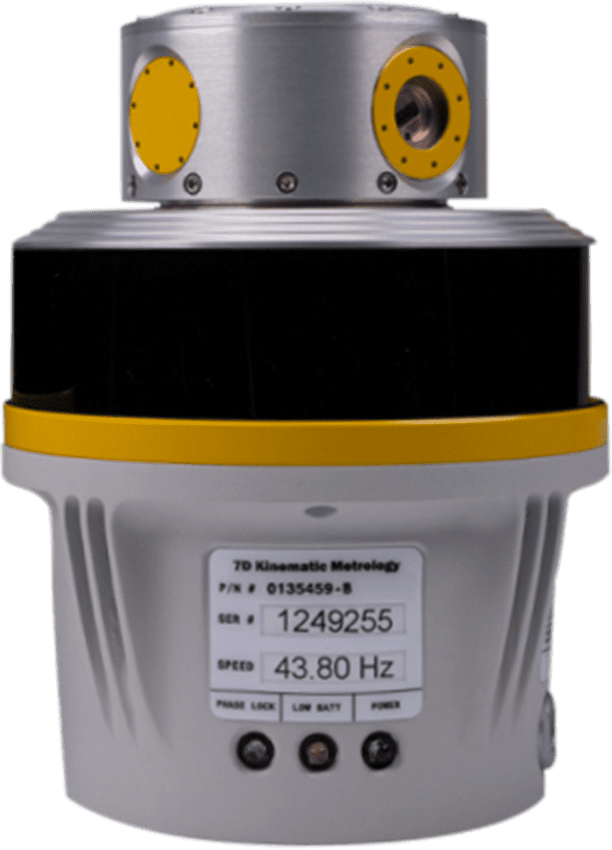
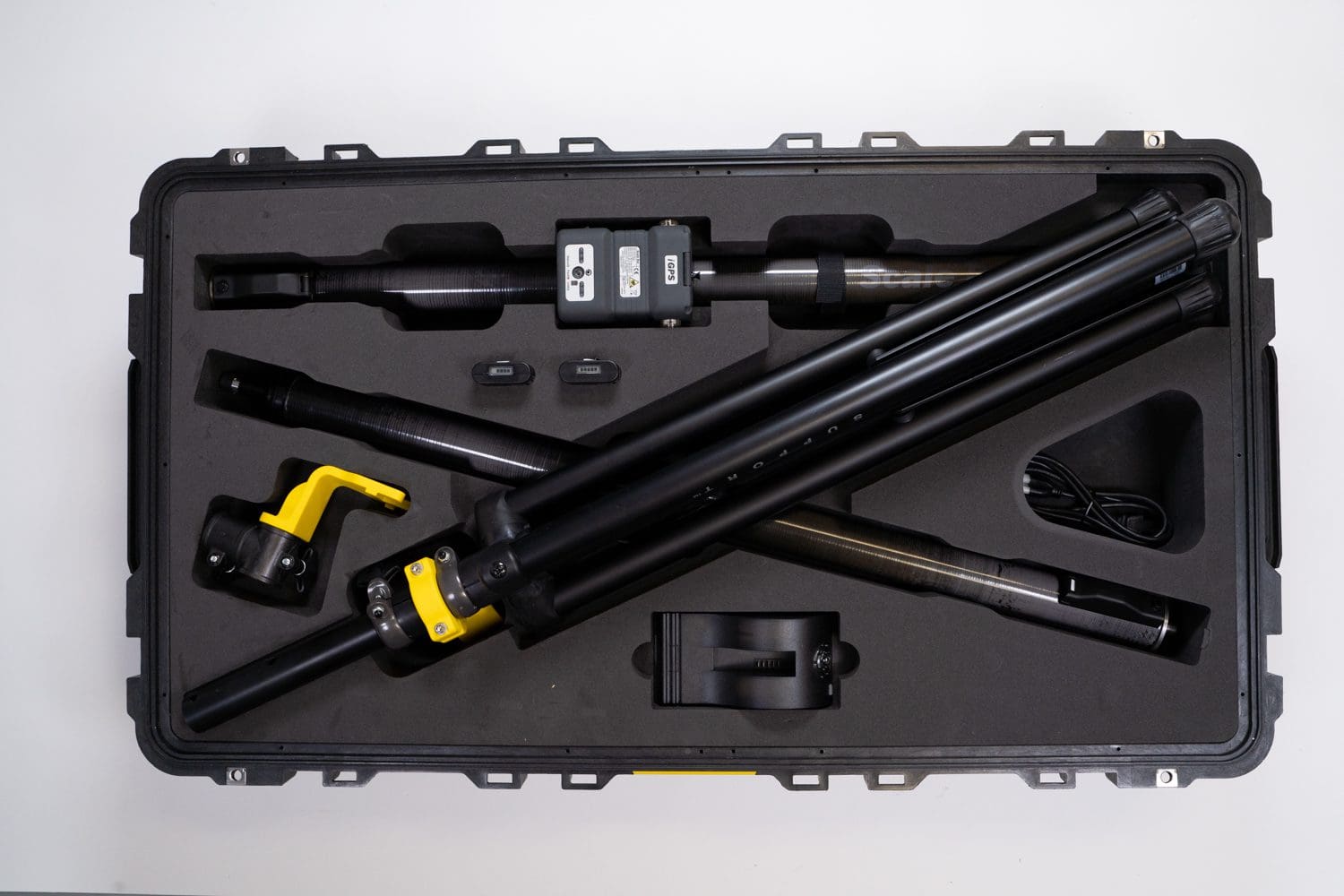
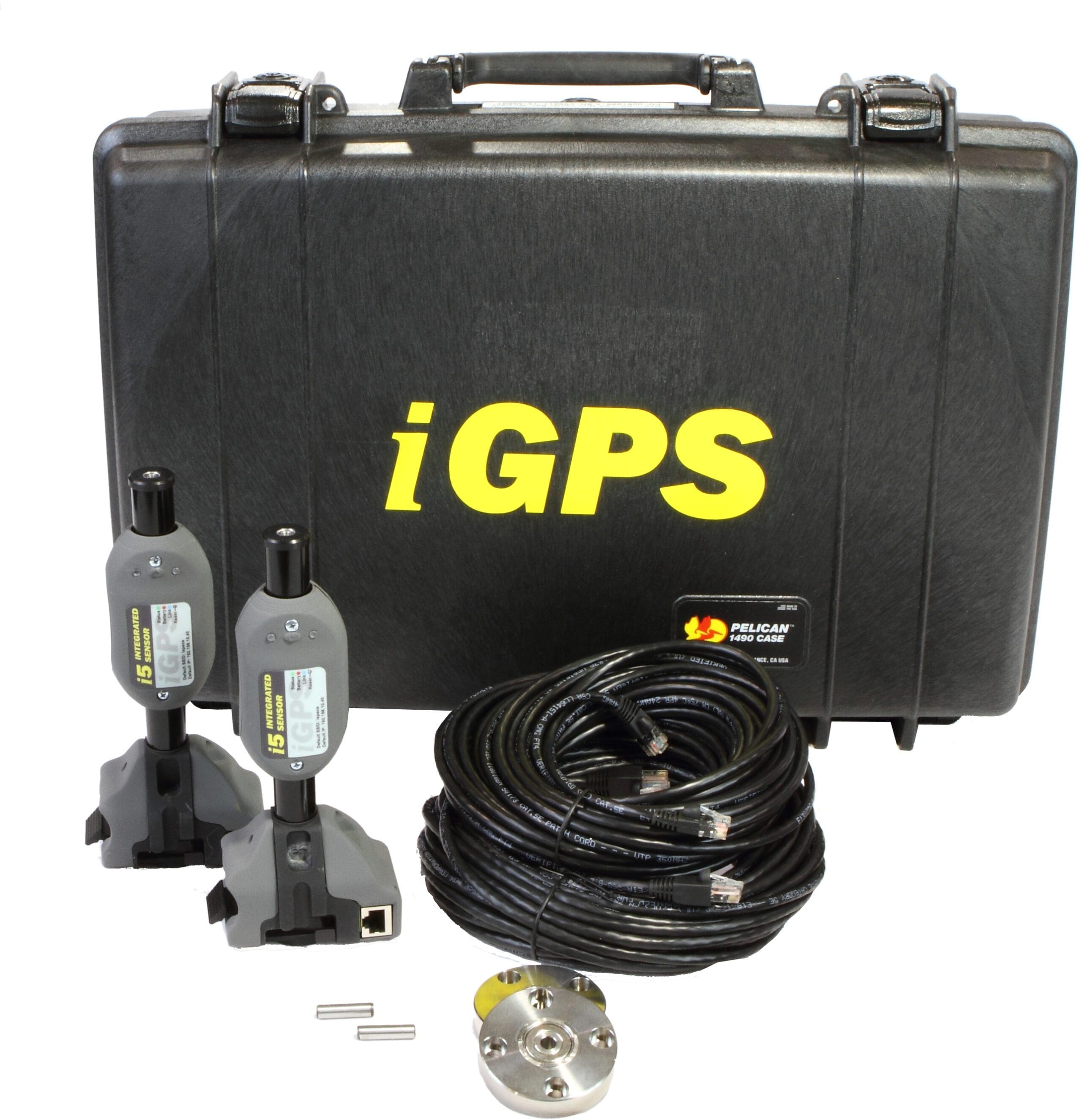
The i5is is an omni-directional 5DOF integrated sensor for use in an iGPS system. It contains two precision sensors which convert optical transmitter signals into digital information to be processed by the iGPS software Surveyor. Its uses include: 3D point and 5DOF vector measurement; automatic system setup and health monitoring as a Monument or Base Station; and 6DOF object tracking when combined with an additional sensor. The i5is advanced signal processing and communication electronics are all packaged together in a compact and robust design for quick and easy deployment.
Wired or wireless, three power options
The i5is is an omni-directional 5DOF integrated sensor for use in an iGPS system. It contains two precision sensors which convert optical transmitter signals into digital information to be processed by the iGPS software Surveyor. Its uses include: 3D point and 5DOF vector measurement; automatic system setup and health monitoring as a Monument or Base Station; and 6DOF object tracking when combined with an additional sensor. The i5is advanced signal processing and communication electronics are all packaged together in a compact and robust design for quick and easy deployment.

How that work
The Science Behind iGPS
iGPS (Indoor Global Positioning System) operates by creating a network of laser transmitters that emit modulated, rotating laser beams across a defined workspace. Wireless sensors mounted on tools, parts, or probes detect these laser sweeps and record the precise time and angle at which each beam passes. By analyzing the timing and angular data from multiple transmitters, the system triangulates the exact 3D position and orientation (6DOF) of each sensor in real time. This distributed, scalable architecture allows iGPS to deliver sub-millimeter accuracy across large volumes, enabling dynamic tracking and precision measurement directly on the factory floor.
1
Transmitter Placement & Initialization
Calibration begins by strategically placing iGPS laser transmitters around the measurement volume. Their positions must be stable and provide overlapping coverage of the workspace.
2
Reference Sensor Setup
A reference sensor or calibrated object (such as a known artifact or fixture) is used to establish a baseline. This helps define the coordinate system and ensures consistency across the network
3
System Self-Calibration
iGPS systems often support self-calibration with monuments, where the system uses known distances and angles between transmitters and sensors to automatically refine their positions and orientations. This step ensures that all transmitters are correctly aligned within a unified coordinate frame.
4
Sensor Validation
Sensors (e.g., on an iProbe or tool) are verified against known reference points to ensure their readings match expected values. Any deviations are corrected through software compensation or re-alignment.
5
Environmental Compensation
The system may apply corrections for temperature, humidity, or air turbulence, which can affect laser propagation and measurement accuracy.
6
Verification & Repeatability Testing
After calibration, the system is tested by measuring known points or performing repeatability checks to confirm accuracy and stability.
iGPS Calibration Process (General Overview)
Collaborative metrology
Key features of this product

6DOF measurements
iGPS technology delivers true 6 Degrees of Freedom (6DOF) measurement, enabling precise tracking of both the position (X, Y, Z) and orientation (pitch, yaw, roll) of any object equipped with iGPS sensors. This capability is essential for applications where not only the location but also the angular alignment of tools, parts, or assemblies must be monitored in real time. By analyzing the timing and angular data from multiple laser transmitters, iGPS calculates the full spatial pose of each sensor with sub-millimeter and sub-degree accuracy. This allows for dynamic tracking of moving components, robotic arms, or handheld probes, ensuring that every movement is captured with precision—critical for high-tolerance industries like aerospace, automotive, and advanced manufacturing.

Measurement redundancy and reliability provided by four fixed iGPS sensors
In an iGPS system, deploying four fixed sensors significantly enhances measurement redundancy and system reliability. Each sensor independently detects laser sweeps from multiple transmitters, allowing the system to triangulate position and orientation with high precision. With four sensors, the system gains overlapping fields of view and multiple data paths, which means that even if one sensor temporarily loses line-of-sight or encounters interference, the remaining sensors continue to provide accurate tracking. This redundancy ensures continuous 6DOF measurement, minimizes the risk of data loss, and improves overall system robustness—especially in complex or dynamic environments where obstructions and movement are common. The result is a resilient metrology solution capable of maintaining precision under real-world manufacturing conditions.
Technical Specifications
Explore the complete technical details of the iGPS system to ensure optimal integration and performance. This page provides: Hardware Specifications (sensor dimensions, weight, power requirements, and connectivity options), Software Requirements (supported operating systems, compatibility details, and recommended configurations), Performance Metrics (accuracy, range, environmental tolerances, and calibration standards) & Compliance & Certifications (industry standards and safety certifications for reliable operation). Review the specifications to confirm compatibility and achieve the highest precision in your measurement workflows.
WIRED
Part Number
0105867
Weight
405g (14.3oz)
Power
802.3af (PoE) or 24VDC. DC module & international AC adapter included.
Communication
802.3 LAN via RJ45 jack, or 802.11 a/b/g WLAN via internal radio/antenna.
Mechanical Interface
\frac{1}{4}” tooling pin interface with lockable collar, tooling pin included. M3 clocking pin interface and set screw for semi-permanent locking.
Effective Incident Angles
360 deg azimuth, +/- 45 deg pitch
Top Tooling Nest
Accepts \frac{1}{2}” spherical tooling ball or SMR
WIRELESS
Part Number
0105868
Weight
445g (15.7oz)
Power
Rechargeable Li-Ion battery provides 6 hours continuous use. Two batteries and charger included.
Communication
802.11 a/b/g WLAN via internal radio/antenna.
Mechanical Interface
\frac{1}{4}” tooling pin interface with lockable collar, tooling pin included. M3 clocking pin interface and set screw for semi-permanent locking.
Effective Incident Angles
360 deg azimuth, +/- 45 deg pitch
Top Tooling Nest
Accepts \frac{1}{2}” spherical tooling ball or SMR
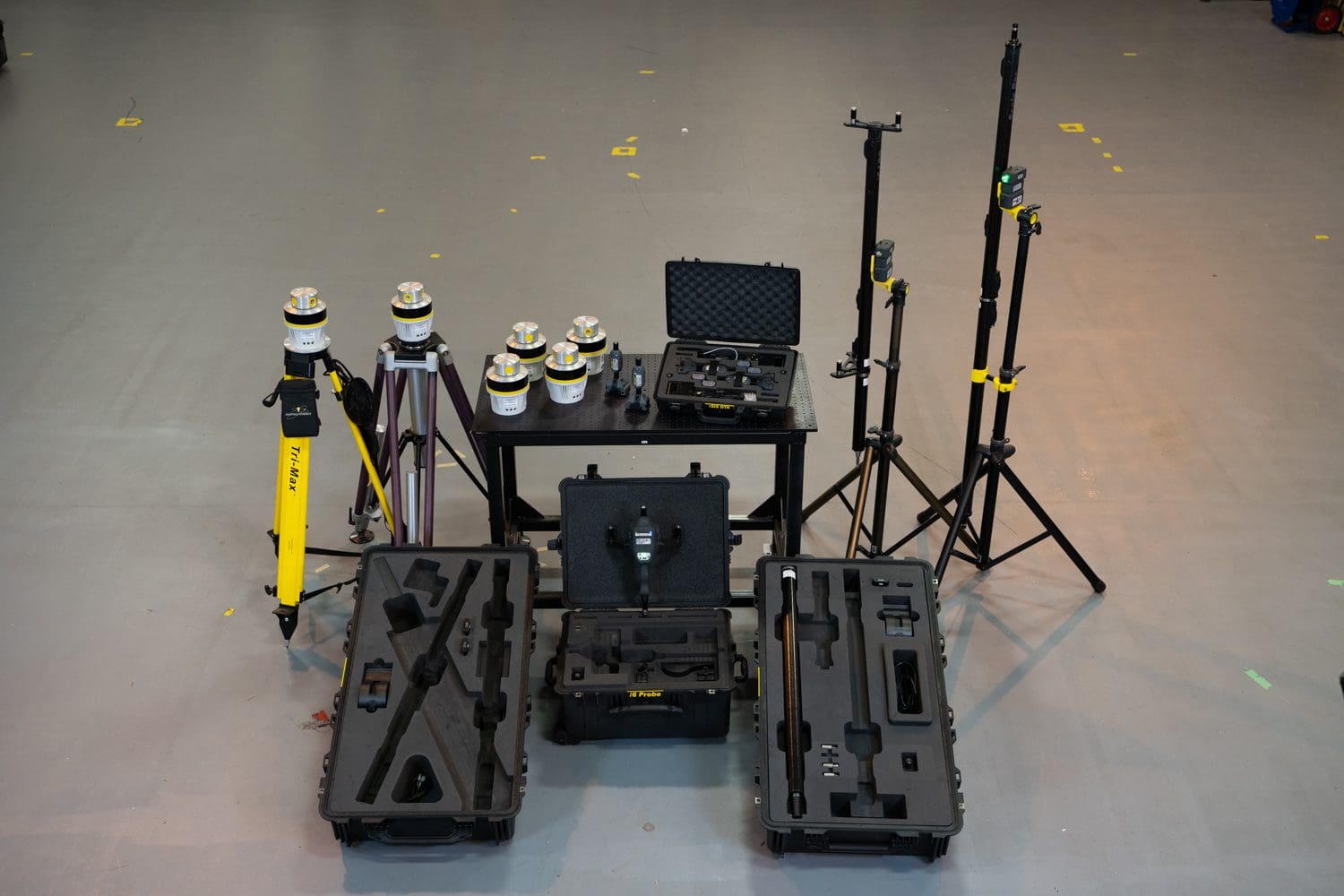
i5IS DTK
Operating Temperature
0°C to 40°C (50°F to 104°F)
Storage Temperature
-20°C to 60°C (-4°F to 140°F)
Relative Humidity
10% to 90% (non-condensing)
Weight (i5is units + tooling pads)
Wired: 1.1kg (2.4lb) | Wireless: 1.15kg (2.5lb)
Communication
802.3 LAN via RJ45 jack or 802.11 a/b/g WLAN via internal radio/antenna
Power
Wired: 802.3af (PoE) or 24VDC | Wireless: Rechargeable Li-Ion battery provides 6 hours continuous use
Documents
to download
iGPS Product Documentation Download. Get the official documentation for iGPS to support your installation, configuration, and operation needs. This download includes: User Manuals (detailed instructions for setup and usage), Technical Specifications (comprehensive hardware and software details), Quick-Start Guides (step-by-step instructions for fast deployment) & Troubleshooting Resources (solutions for common issues and FAQs).
Unlock documents
Fill this form to download the document.
Collaborative metrology
Why choose our technology
1
Precision and accuracy
iGPS provides highly accurate positioning and tracking, which is essential for applications requiring fine measurements.
2
Real-time data
iGPS delivers real-time positioning data, enabling quick decision-making and immediate feedback during operations.
3
Simultaneous and multi-point measurement
iGPS can measure the moving positions of several points or objects at the same time, which is particularly useful in complex setups or large factories with many working cells.
4
Integration and collaborative capabilities
iGPS can easily integrate with existing technologies and workflows, ensuring not only compatibility but collaboration with other systems.
5
Scalability
iGPS can be scalable to fit a range of applications from small setup to large industrial environments, making it versatile.
Collaborative metrology